
Creative Careers
- Liberty Dee Larsen

- Feb 24, 2019
- 7 min read
Updated: Feb 26, 2019
From my current course of UAL Level 3 Extended Diploma in Art and Design I could progress into a path of a number of different creative careers. I have been researching into my progression opportunities and ten careers which appeal most to me in no specific order are: Art Therapist, Community Arts Worker, Fine Artist, Life Caster, Art Teacher, Ceramic Pottery Maker, Model Maker, Photographer, Craftsperson, and Graphic Designer. The three careers that appeal to me the most are Caster, Craftsperson and Photographer; this is because with a career path already in mind these are all sectors within the art industry that I could combine to make a self-employed business for myself.
To become a life caster there are no specific qualifications that I would need to have but I think that gaining my Level 3 qualification in Art and Design would give my customers a little reassurance about my services. There are a limited number of classes across the UK that you can take to help you develop your casting skills so in order to gain a business and a customer base in this career path it is all about building up your portfolio and clientele feedback. To start off with I could use family and friends as models to start my portfolio this would allow me to build my skills without disappointing potential future customers. After this offering free or cheap services for training purposes to a wider circle of people would enable me build up my portfolio, this would also help me to gain more experience, improve my skills, and test out new methods or ideas. Another way to give my clients more reason and trust in using my services would be to have a range of certificates. This would also help my business to look more professional especially if I have my own studio, these could be certificates such as a DBS, a health and safety check and a hygiene rating certificate. This job on a day to day basis would include interacting and meeting with customers, therefore needing good customer service and communication skills. I would have to go through the casting process with the customer to let them know what the experience will entail, I would then have to perform the actual casting itself. The customer would not be able to go home with their final product as there would be many steps to be made after the initial casting. There will be a drying time, I would also need to inspect the cast fixing any imperfections such as air bubbles or cracks. Then I would offer a personalisation service where the cast can be painted or airbrushed with any colour, casts such as bump casts could also be personalised with names, jewels, etc. I would need to plan ahead and give the customer the relevant time frame in which the final product would be ready. The last thing to think about would be delivery of the product, on the initial casting day I would present the time frame for finishing the product and offer them a delivery or collection service which would enable me to plan ahead and arrange this ready for the customer. Taking these steps will allow me to provide a professional, efficient, friendly service which will further benefit me in gaining positive customer feedback that I will display on a social media platform for other possible customers to view. I will also use this to display my work and communicate with customers.
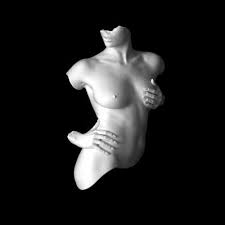


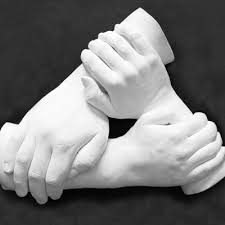

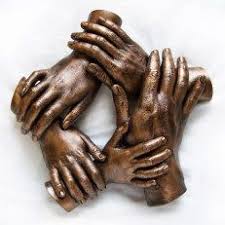

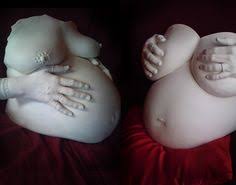

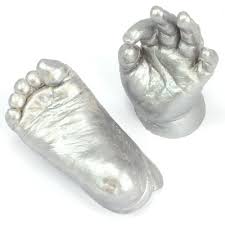
To become a craftsperson, you need personal attributes such as artistic design skills, promotional skills and good hand-eye coordination. There are no formal qualifications that you particularly need as like casting this career is mostly self-taught. Having a qualification in the craft related area would be helpful when entering the occupation and I have in mind a career path aspiration of a self-employed personalisation business that specialises in casting. The crafts that I wanted to make along side the casting would be items such as frames, pillows, keyrings, all different types of personalised pictures. This would be visual, fine, and creative arts along with design, which I have studied within my current course and therefore will hold a qualification for. If I wanted to go into this career path a little deeper then I could go to university and complete a degree in one of those art sectors, but it isn’t necessary to become successful. Alike the life casting career for a business as a craftsperson to become successful I would need to build up a portfolio, a social media base and clientele feedback. On a day to day basis this side of the job would include hands on creativity when producing a product for a customer. I think that making the initial frame would be too time consuming so I would generally pre-order a range of different frames to work with and add the personalisation to them whether it be the frame, the picture inside, or both. Pictures if not 3D would need to be designed and printed from a computer, so I would have to find a software that fits and works alongside my style of work best. I would have to interact on social media and meet with clients on delivery so my communication and customer service skills will again have to be exceptional.


To become a photographer there are also no formal qualifications needed, just personal aspects such as creativity, technical ability and a good eye. There are many courses available to gain photography skills though; and most professional photographers go down this route using a college or university course to develop their skills and knowledge of the industry. To get onto a photography related course at university whether it be degree or higher education would depend on the route you have already or want to take. For the academic route you would typically need five A*- C GCSE’s including maths and English, and two or three A levels including one in art, design or media. For the vocational route you would need the same GCSE’s alongside a Level 3 course in art and design or photography; although the needed qualifications would vary depending on what university you where to apply for. Along with the ones already listed if you wanted to get into a photography career there are many other personal key attributes for this job role you would need to carry; patience, time management, communication, IT, organisation, interpersonal skills, attention to detail and business management. Although the educational qualifications are not essential to become a photographer you would definitely need an artistic portfolio, having a portfolio helps customers to view your work and this is the main aspect that would draw in attention to your business. If people are able to view your best work, you are more likely to get interest and gain further opportunities. There are many industries you can go into when becoming a photographer; arts, crafts and design, broadcast, media and performing arts, or journalism and publishing. The industry I am interested in is arts, crafts and design, this sector is so varied that there are so many opportunities, this area is ideal for me as I'm a creative individual. As previously spoken about I have a business plan in mind for my future; the way that photography in this sector links for me is that I could photograph along side my casting and crafts making. For example, if casting an infant’s hands and feet, I could also offer a photography session along side this which would then lead me to be able to produce a customised frame with the hands, feet and a photograph of the child inside. I could personalise the frame with the child’s name, date of birth, etc. and it would produce a beautiful product and keepsake for the customer.


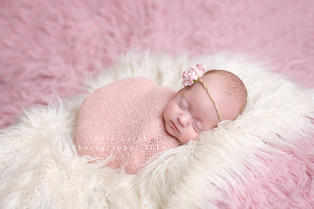


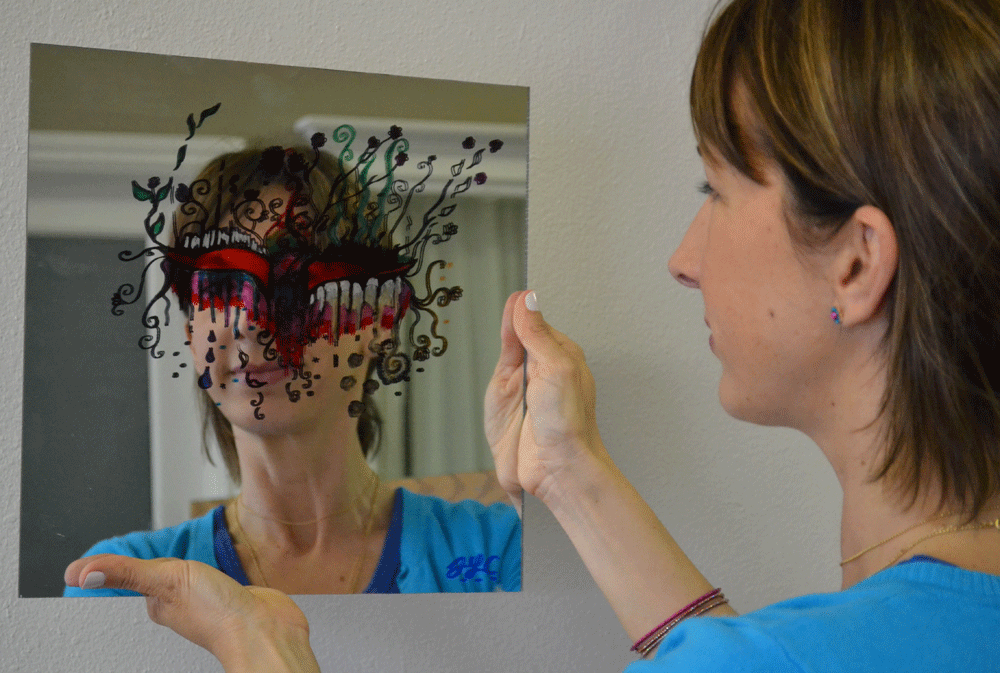
I also researched into a further two creative careers within my area of arts; Art Therapist and Graphic Designer. To become an Art Therapist, you need professional experience in an area of therapy or health care, this could be nursing, social work, special needs, psychotherapy, etc. or you can have voluntary experience of working with people in a therapeutic setting. To practice as an art therapist there are several steps you would have to take, firstly you would have to complete a first degree in art or a relevant subject, this is in order to progress onto completing an approved master’s degree in art therapy or Art Psychotherapy. You may be accepted onto the master’s degree course without the art degree if you have a strong art background, but you would also need to be a mature, flexible individual with experience of working in mental health, education, special needs or social services before applying. You also need a portfolio of your best work to show the interviewer. When you have completed your master’s degree you will be eligible to apply for registration with the Health and Care Professions Council as a practitioner. If awarded the registration you would then need to keep your knowledge and skills up to date and pay an annual retention fee in order to keep your name on the register. There are many things that an art therapist would do on a day to day basis, but the main points are that they would use visual media to help people who struggle to communicate verbally to express their feelings and confront difficult emotional issues. They would listen and provide guidance to clients to asses their needs working creatively with various client groups in a therapeutic setting, giving them a safe and secure environment to express themselves. After researching into this profession, it is something that really appeals to me, but I would need to think deeply into how I would get there as there are no universities near me that offer the courses I need, and it entail relocating as I have a family.


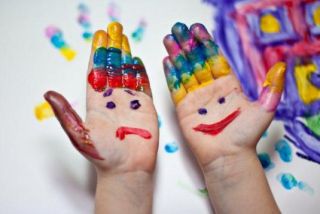


To become a graphic designer, you will need to have drawing and IT skills, you will also need good communication skills and an eye to be able to find practical solutions to problems. Professional graphic designers tend to have accumulated a foundation degree, HND, degree in graphic design or another art and design-based subject. It is relevant that you have a working knowledge of desktop design software’s and image-editing packages, these are things that you are able to receive training in whether it be at college, private training providers or through self-study. You will also need to have an up-to-date portfolio to show to potential employers as they will be just as interested in your design skills and creative ideas as the are your qualifications. On a day to day basis a graphic designer could do all kinds of things depending on their job role, they could design advertisements, or they could design product packaging. A few things that a graphic designer in general would do are discussing requirements of the project with clients and colleagues, providing costs for the project, choosing the most suitable materials and style, producing rough sketched or computer visuals to show the client, use specialist computer software to prepare designs, producing final layouts with specifications, and working to budgets and deadlines. They may also have to produce 3D designs for packaging, exhibitions and displays.




Comments